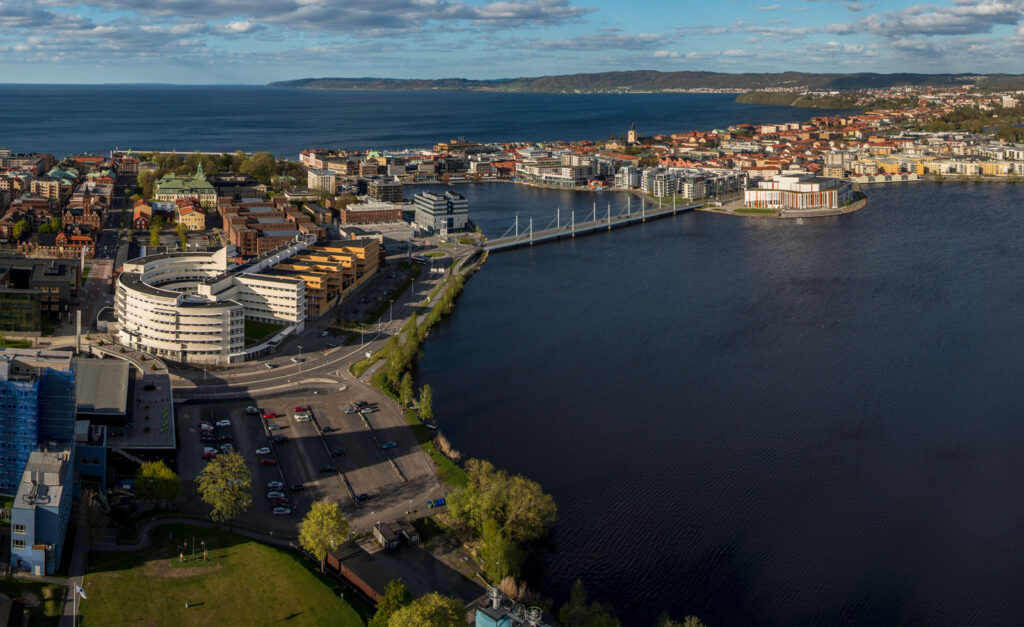
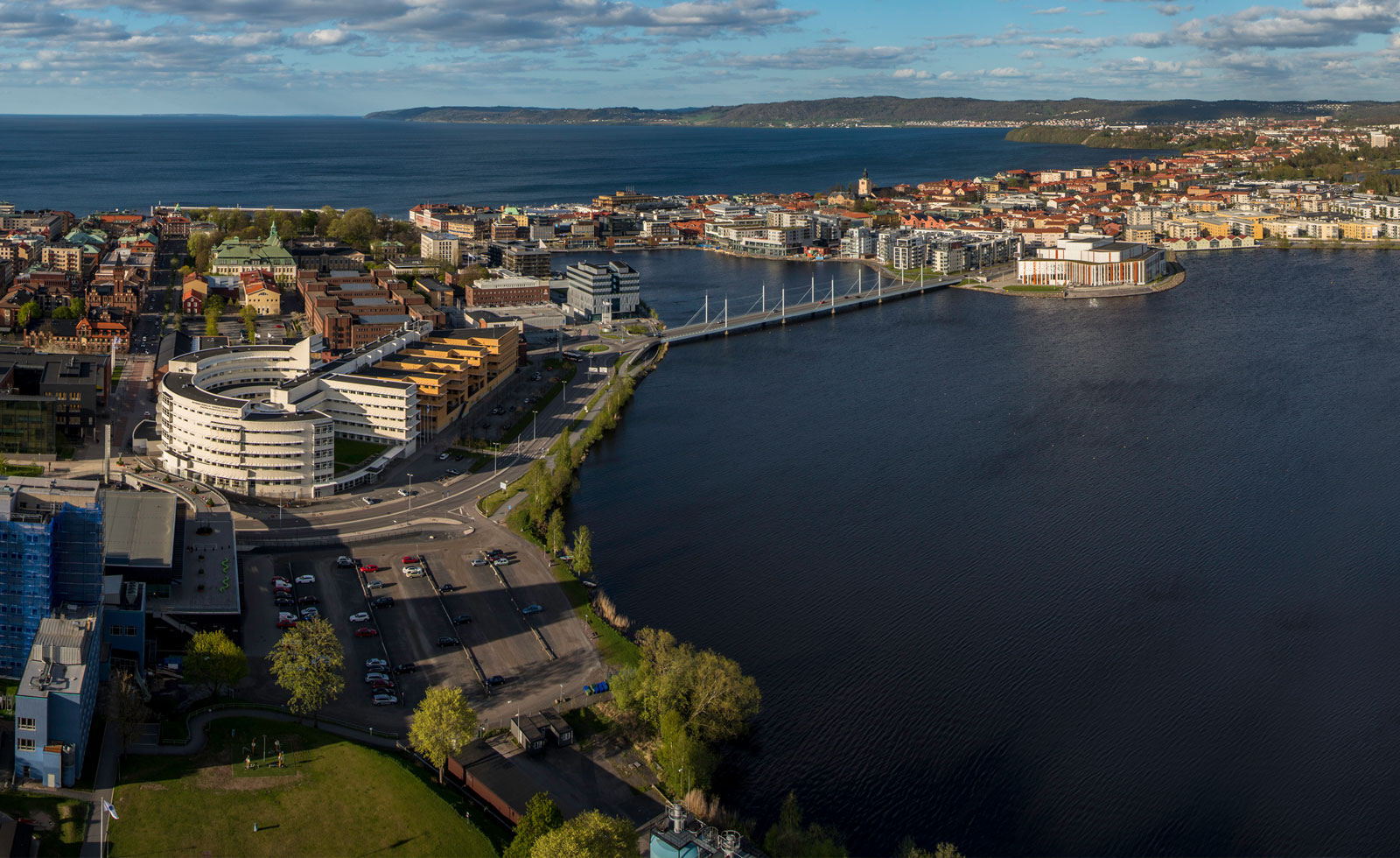
Region Jönköpings län (Region Jönköpings län, RJL) is an administrative region in Sweden comprising 13 municipalities and approximately 370,000 inhabitants, making it the sixth-largest region in the country. The region operates under the vision “For a good life in an attractive region” and has a clear ambition to be the best place to grow up, live, and age. Its strategic direction, “Together we meet the future needs of healthcare”, emphasizes a transition towards integrated, community-based care adapted to people’s everyday lives, with a strong focus on safety, accessibility, and equity in health.
Like many other regions, RJL faces increasing societal challenges, particularly related to mental ill-health and involuntary loneliness. A substantial share of responsibility for population health currently lies with the healthcare system, resulting in high pressure on primary care and psychiatric services and, in some cases, longer waiting times. Existing ways of working do not always allow resources to be used as efficiently as possible.
There is strong evidence that health-promoting and social interventions can have a significant positive impact on health outcomes and quality of life. Collaborative models, in which civil society and other societal actors complement healthcare services, offer important opportunities to better address current needs and to develop more sustainable solutions over time. However, this evidence has not yet been fully integrated into governance structures, financing mechanisms, and priority-setting processes. Moreover, existing initiatives would benefit from strengthened evaluation models, making it more difficult to generate learning and ensure long-term impact, while simultaneously highlighting the need for innovation and new approaches.
Within the Invest4Health framework, RJL implemented a testbed aimed at developing and piloting models for governance, internal collaboration, and financing that support long-term, sustainable, cross-sectoral, and person-centred ways of working. The testbed focused on building new competencies and methods to better understand and measure the value of health promotion and prevention, as well as on establishing improved structures for collaboration between the region and societal actors as part of the transition towards community-based care.
As part of the testbed, a new type of “production line” was developed, enabling the testing of solutions such as social prescribing. This approach contributed to clearer partnerships and strengthened the region’s capacity to address complex challenges related to mental ill-health and loneliness. Activities included needs and problem analyses to clarify resource flows, barriers, and opportunities; the development of governance, investment, and collaboration models involving the region, municipalities, and civil society; efforts to strengthen early detection, health promotion, and social support through more coordinated processes; and analyses of how resources could be shifted closer to the actual needs of the population.
Through its participation in Invest4Health, Region Jönköpings län strengthened its understanding and capacity in relation to long-term sustainable financing solutions, follow-up and evaluation structures, and models that enable more systemic and preventive approaches to health and well-being.